
The Importance of Play and Joy for Mental Health
Why Play Is Essential for Mental Wellness
When we think about mental wellness, we often focus on managing stress, building resilience, or addressing challenges. While these are important, there is another powerful—and often overlooked—component of mental health : play and joy.
Play is not just for children. For adults, play and moments of joy are essential for emotional balance, stress relief, and overall well-being. In a world that often prioritizes productivity and responsibility, giving ourselves permission to experience joy can feel unnecessary or even indulgent. In reality, it is a vital part of maintaining good mental health .
How Play Supports Brain Health and Emotional Regulation
Play engages the brain in ways that promote creativity, curiosity, and emotional regulation. When we participate in enjoyable activities, the brain releases feel-good chemicals such as dopamine and endorphins, which help reduce stress and anxiety .
Play also allows the mind to step away from daily pressures. This mental break supports better focus, problem-solving skills, and emotional resilience, making it easier to manage challenges when they arise.
The Benefits of Play and Joy for Mental Health
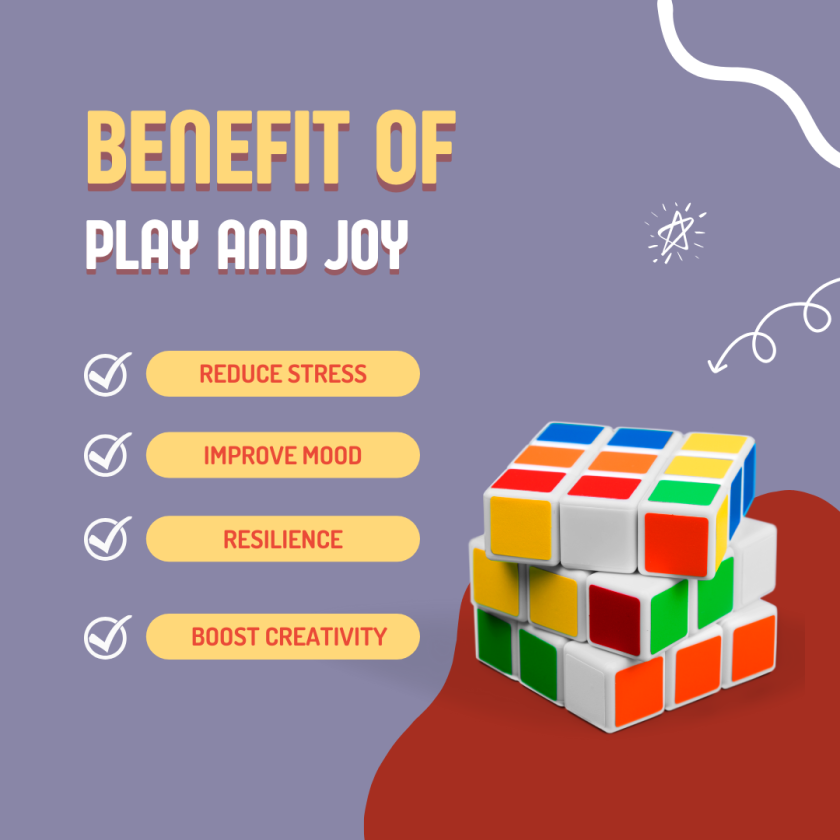
Incorporating play and joy into daily life offers many mental health benefits, including:
- Reduced stress and anxiety by calming the nervous system
- Improved mood and emotional balance
- Increased creativity and problem-solving ability
- Stronger social connections through shared positive experiences
- Lower risk of burnout and emotional exhaustion
- Greater resilience during times of change or difficulty
These benefits show that play is not a distraction from responsibility—it is a supportive tool for long-term mental wellness.
The Role of Joy in Emotional and Mental Well-Being
Joy doesn’t have to come from major milestones or achievements. Small, everyday moments—laughing with others, engaging in hobbies, listening to music, or spending time outdoors—can have a powerful impact on emotional health.
Regular experiences of joy help counterbalance stress and create emotional reserves that make it easier to cope with life’s challenges. Joy also supports stronger relationships and a deeper sense of connection.
Simple Ways to Incorporate Play and Joy Into Daily Life
Adding more play and joy to your routine doesn’t require major changes. Consider:
- Scheduling time for hobbies or creative activities
- Allowing yourself to rest without guilt
- Spending time outdoors or moving your body in enjoyable ways
- Engaging in social activities that make you laugh and feel connected
The key is intention—recognizing that joy is a core part of mental wellness, not something to be earned or postponed.
Why Play and Joy Support Long-Term Mental Wellness
Mental wellness is not only about managing stress or preventing burnout; it’s also about nurturing positive experiences. Play and joy help restore emotional balance, strengthen resilience, and support overall mental health .
Making space for play, laughter, and enjoyment is not a luxury. It is a meaningful and necessary form of self-care that supports lifelong mental well-being.