
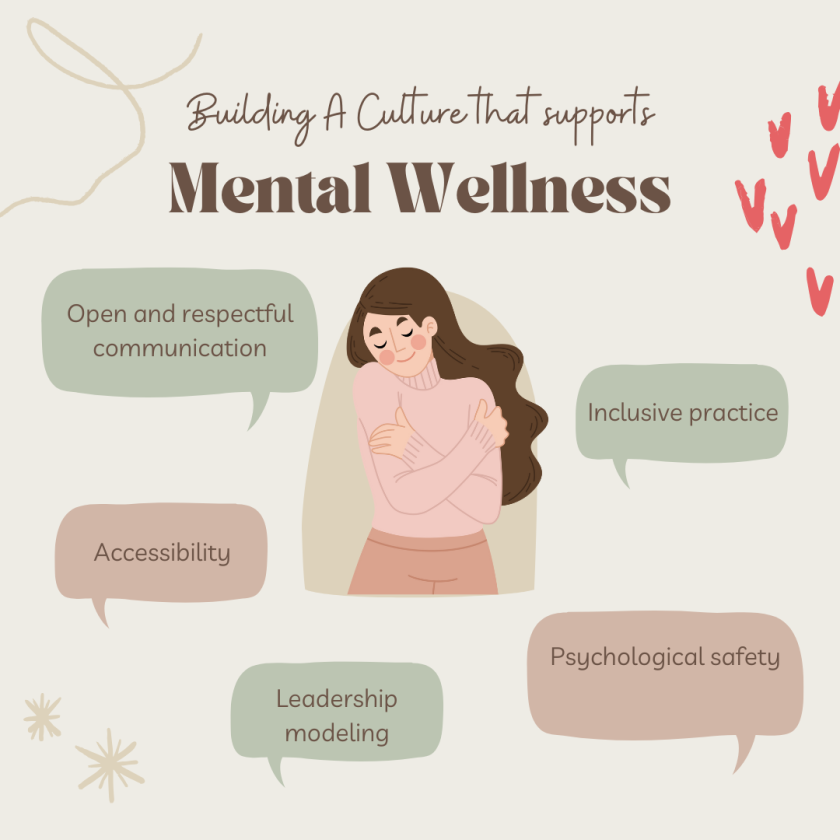
Mental wellness is not just an individual responsibility—it is shaped by the environments in which people live, learn, and work. Building a culture that supports mental wellness creates safer, healthier, and more productive spaces where individuals feel valued, respected, and supported.
A culture of mental wellness goes beyond offering resources . It involves everyday practices, leadership behaviors, and shared values that prioritize emotional well-being and psychological safety.
Why Mental Wellness Culture Matters
When mental wellness is supported at a cultural level, people are more likely to feel comfortable asking for help, managing stress, and staying engaged. Supportive environments reduce stigma, encourage open communication, and promote overall well-being.
Organizations and communities that prioritize mental wellness often see improved morale, stronger relationships, increased trust, and better long-term outcomes for both individuals and teams.
Key Elements of a Mentally Healthy Culture
Building a culture that supports mental wellness starts with intentional actions and consistent commitment. Key elements include:
- Open and respectful communication that encourages people to share concerns without fear of judgment
- Psychological safety, where individuals feel supported and heard
- Leadership modeling healthy behaviors, such as setting boundaries and taking breaks
- Access to mental health resources , including education, support services, and referrals
- Inclusive practices that recognize diverse experiences and needs
These elements help normalize conversations about mental health and reduce stigma across the organization or community.
The Role of Leadership and Management
Leaders play a critical role in shaping mental wellness culture. When leaders demonstrate empathy, transparency, and flexibility, it sets the tone for the entire environment. Simple actions—such as checking in with team members, encouraging time off, and responding supportively to mental health concerns—can have a lasting impact.
Leadership that prioritizes well-being sends a clear message: mental health matters, and people come first.
Practical Ways to Support Mental Wellness
Creating a supportive culture does not require complex programs. Small, consistent actions can make a meaningful difference, such as:
- Encouraging regular breaks and reasonable workloads
- Promoting work-life balance and flexible scheduling when possible
- Offering mental health education and awareness activities
- Creating spaces for connection, reflection, and peer support
When mental wellness is integrated into daily practices, it becomes a natural part of the culture rather than a one-time initiative .
Long-Term Benefits of a Mental Wellness Culture
A culture that supports mental wellness leads to healthier individuals and stronger communities. Benefits include reduced burnout, improved engagement, increased resilience, and higher levels of satisfaction and trust.
Most importantly, it creates an environment where people feel empowered to care for their mental health and support one another.
Creating Sustainable Change
Building a culture that supports mental wellness is an ongoing process. It requires listening, learning, and adapting over time. By prioritizing compassion, openness, and shared responsibility, organizations and communities can create spaces where mental wellness is valued and sustained.
Supporting mental wellness is not just a best practice—it is an investment in people and the future.