
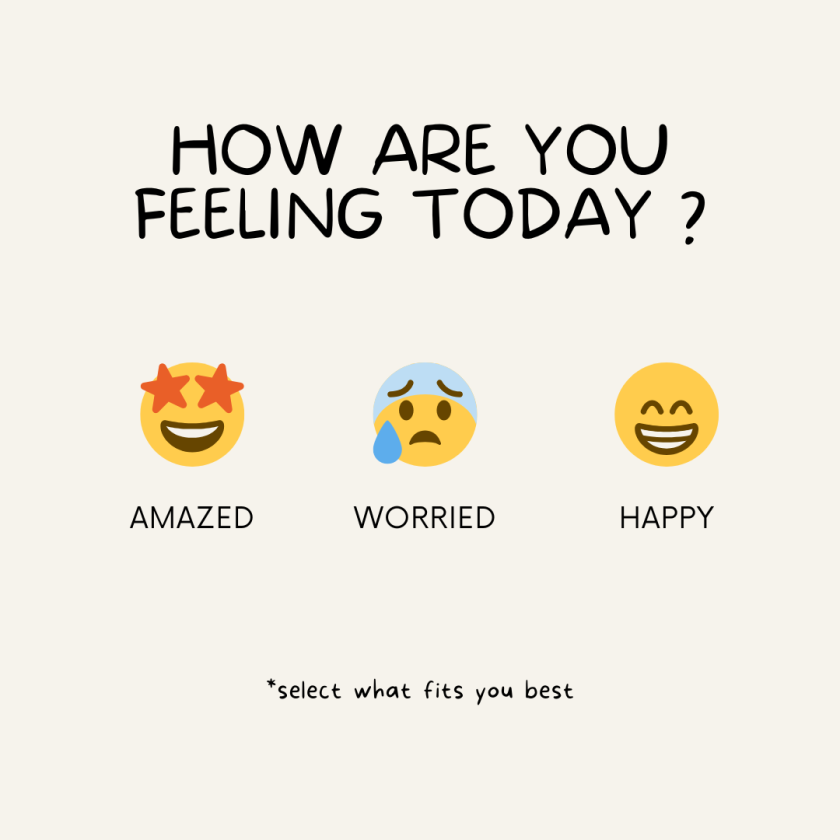
Many of us grow up learning how to describe what we do, but not how we feel. We may say we’re “fine,” “busy,” or “stressed,” when in reality our emotions are much more complex. Learning to name our feelings is a powerful mental wellness skill—and one that can improve emotional health, communication, and self-understanding.
What Does It Mean to Name Feelings?
Naming feelings means identifying and labeling emotions with specific words, such as sad, frustrated, overwhelmed, anxious , hopeful, or content. Instead of general statements like “I’m not okay,” naming feelings helps clarify what’s actually happening internally.
This practice builds emotional awareness, which is the foundation of mental wellness. When we understand what we’re feeling, we’re better equipped to respond with care rather than react out of confusion or distress .
Why Naming Feelings Is Important for Mental Health
Unidentified emotions often show up in other ways—physical tension, irritability, withdrawal , or emotional shutdown. When feelings remain unnamed, they can feel overwhelming or uncontrollable.
Naming emotions helps:
- Reduce emotional intensity
- Improve emotional regulation
- Increase self-compassion
- Strengthen problem-solving skills
Research shows that simply labeling emotions can calm the nervous system. When we name a feeling, the brain shifts from an emotional response to a more thoughtful one, helping us feel more grounded and in control.
Naming Feelings Improves Communication
Being able to clearly express emotions also improves relationships. Instead of saying, “You’re making me upset,” we can say, “I’m feeling hurt and misunderstood.” This reduces blame and opens the door for healthier, more respectful conversations.
When feelings are named:
- Others understand us better
- Conflicts become easier to navigate
- Emotional needs are clearer
This skill is especially helpful in families, workplaces, and close relationships where misunderstandings can easily arise.
Why It Can Be Hard to Name Emotions
For many people, naming feelings doesn’t come naturally. Cultural expectations, upbringing, or past experiences may have taught us to minimize emotions or view them as weakness. Others may lack the language to describe emotions beyond “happy” or “sad.”
It’s important to remember that emotional awareness is a learned skill. There is no right or wrong way to feel, and learning new emotional language takes time and patience.
How to Practice Naming Feelings
You can start small. Try checking in with yourself once or twice a day and asking:
- What am I feeling right now?
- Where do I feel it in my body?
- What might this feeling be trying to tell me?
Using tools like emotion wheels, journaling, or quiet reflection can help expand emotional vocabulary. It’s also okay to name more than one feeling at a time—many emotions exist together.
Naming Feelings Is an Act of Self-Care
When we name our feelings, we give ourselves permission to be human. We acknowledge our inner experiences instead of pushing them aside. This act of awareness is a form of self-care and self-respect.
At AllyNetwork, we encourage open and compassionate conversations about mental wellness. Naming feelings is not about fixing or judging emotions—it’s about understanding them so we can respond with care, support, and intention.
By learning to name our feelings, we take an important step toward emotional clarity, healthier relationships, and stronger mental well-being.