
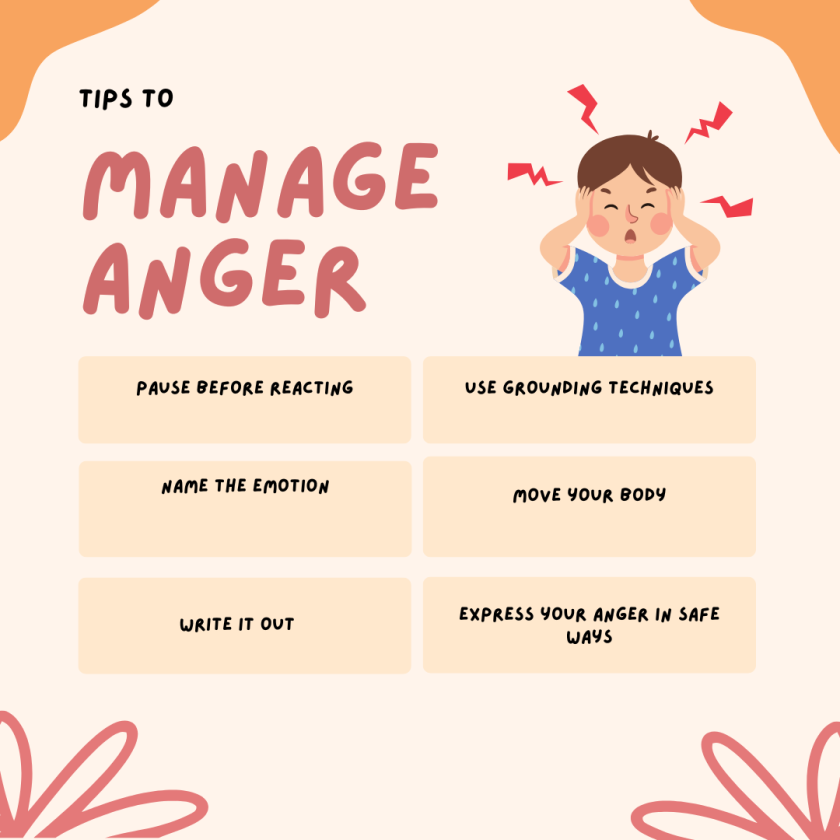
Anger is one of the most misunderstood emotions we experience. Often labeled as “bad,” “aggressive,” or “uncontrolled,” anger is actually a natural, protective, and valid human response. It shows up when a boundary has been crossed, when we feel hurt or overwhelmed, or when something important to us feels threatened.
And yet, many people struggle with anger—not because the emotion itself is wrong, but because they were never taught how to understand it, express it, or release it in a healthy way.
Learning to process anger with awareness and compassion transforms it from a force of destruction into a tool for clarity and empowerment.
What Anger Really Is: A Signal, Not a Problem
Anger is often a messenger pointing to deeper needs or emotions. Beneath anger, there is usually:
- Hurt
- Disappointment
- Fear
- Vulnerability
- Feeling unheard or undervalued
- Feeling overwhelmed or disrespected
Recognizing what lies beneath the anger helps us understand ourselves more deeply and respond more intentionally.
Anger only becomes harmful when it is ignored, suppressed, or explodes without awareness. Addressing it with curiosity gives us the power to regulate it and act in ways aligned with our values.
How Anger Shows Up in the Body
Anger activates the body’s stress response. You might notice:
- Tight jaw or shoulders
- Increased heart rate
- Heat or tension in the chest
- Faster breathing
- Restlessness
- Clenched fists or teeth
These sensations are clues — signals inviting us to slow down, pause, and check in with what’s happening beneath the surface.
Healthy Ways to Process Anger
1. Pause Before Reacting
A brief pause gives your mind time to come back online.
Try silently saying:
“Pause. Breathe. Respond later.”
A moment of space can prevent hours of regret.
2. Name the Emotion
Labeling emotions reduces their intensity and helps the brain shift from reactivity to clarity.
Try:
- “I’m feeling angry.”
- “I feel disrespected.”
- “I feel overwhelmed and need space.”
Naming creates separation from the emotional storm.
3. Use Grounding Techniques
Anger floods the nervous system. Grounding brings you back to the present.
Try:
- Slow, deep breathing
- Touching something cold
- Pressing your feet firmly into the floor
- Counting slowly to ten
- Splashing water on your face
Grounding helps restore control.
4. Move Your Body
Physical movement helps release the tension anger stores in the body.
Options include:
- A brisk walk
- Stretching
- Shaking out your hands and arms
- Light exercise
- Dancing to a powerful song
Movement converts pent-up energy into release.
5. Write It Out
Journaling helps transform emotion into insight.
Try journaling prompts like:
- “What triggered this anger?”
- “What was I needing in that moment?”
- “What boundary feels crossed?”
- “What would help me feel safe or respected?”
Writing creates clarity and emotional release.
6. Express Anger in Safe, Constructive Ways
Healthy expression is essential.
Try:
- Talking to someone you trust
- Using “I” statements (“I felt hurt when…” “I need…” )
- Setting or reinforcing a boundary
- Communicating when calm rather than in the heat of the moment
Anger can strengthen relationships when it leads to clearer communication.
7. Identify the Unmet Need
Every anger reaction points to a deeper need—safety, respect, rest, support, connection, boundaries.
Ask yourself:
“What need is this anger protecting?”
Then explore how to honor that need.
8. Practice Forgiveness (When Ready)
Forgiveness isn’t about excusing behavior—it’s about freeing your emotional energy.
Even acknowledging the desire to move forward can be healing.
When Anger Is Helpful
Healthy anger can:
- Clarify boundaries
- Motivate change
- Empower self-advocacy
- Protect emotional safety
- Highlight what matters most to you
When processed constructively, anger becomes a source of strength, not harm.
When to Seek Support
If anger feels unmanageable, leads to harmful behavior, or is covering deeper trauma , reaching out for help is a sign of strength. A therapist can help explore root causes and build long-term emotional regulation skills.
You never have to navigate intense emotions alone.
Anger is not the enemy — it’s a guide. By learning to understand your anger, you gain access to deeper emotional truths, healthier relationships, and a more empowered sense of self.