
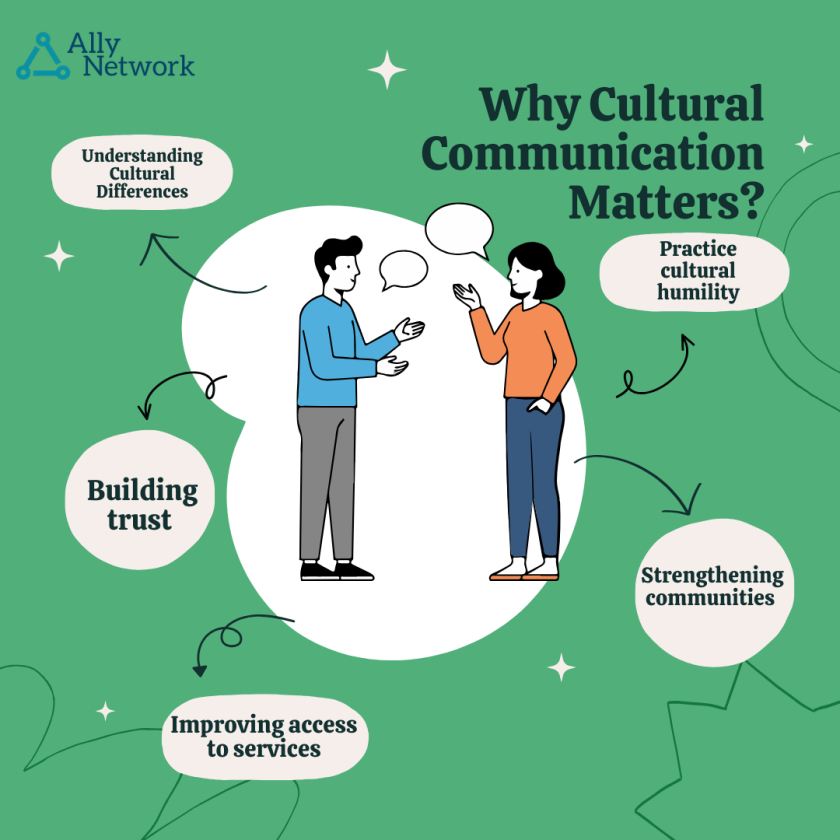
In today’s diverse communities, the ability to communicate across cultures is more important than ever. For immigrants, refugees, and service providers, effective cross-cultural communication helps build trust, reduce misunderstandings, and create stronger connections. When people come from different cultural backgrounds, they may have different ways of expressing themselves, understanding information, or approaching relationships. Recognizing and respecting these differences is an important step toward creating inclusive and supportive environments.
Understanding Cultural Differences in Communication
Culture shapes how people communicate. It can influence tone of voice, body language, eye contact, personal space, and how directly or indirectly someone speaks. For example, in some cultures direct communication is valued, while in others a more indirect or respectful approach is preferred. Without awareness of these differences, messages can sometimes be misunderstood.
For immigrants and refugees, adapting to a new cultural communication style can feel challenging. They may worry about using the wrong words, misunderstanding instructions, or unintentionally offending others. At the same time, service providers and community members may not always recognize the cultural context behind certain communication styles. Developing cultural awareness can help both sides better understand each other.
The Importance of Active Listening
One of the most important skills in cross-cultural communication is active listening. This means giving full attention to the speaker, asking clarifying questions, and avoiding assumptions. Listening carefully allows individuals to better understand not only the words being spoken, but also the feelings and experiences behind them.
Active listening also helps create a sense of respect and safety. When people feel heard and valued, they are more likely to share their concerns, ask questions, and participate in meaningful conversations.
Using Clear and Respectful Language
Clear and simple language can help prevent misunderstandings. When communicating across cultures or languages, it is helpful to avoid complex jargon, slang, or idioms that may not translate easily. Speaking slowly, using plain language, and checking for understanding can improve communication.
Respectful language is equally important. Addressing people properly, being mindful of cultural customs, and showing patience when communication takes time all contribute to a positive and supportive interaction.
The Role of Cultural Humility
Cultural humility is the practice of approaching others with openness, curiosity, and a willingness to learn. Instead of assuming we understand someone’s culture, cultural humility encourages us to ask questions, listen with respect, and recognize that everyone’s experiences are unique.
For organizations serving immigrant and refugee communities, practicing cultural humility helps create welcoming spaces where individuals feel safe expressing themselves and sharing their perspectives.
Building Stronger Connections Across Cultures
Effective cross-cultural communication is not just about language—it is about building relationships. When individuals approach communication with empathy, patience, and respect, they create opportunities for collaboration and understanding.
Community programs, workplaces, and healthcare providers can strengthen communication by providing cultural competency training, language support services, and inclusive practices that value diverse perspectives.
Conclusion
Communicating effectively across cultures requires awareness, respect, and a willingness to learn from one another. By practicing active listening, using clear language, and approaching conversations with cultural humility, individuals and organizations can foster stronger relationships and more inclusive communities. When communication improves, trust grows—and communities become better equipped to support the well-being of everyone.