
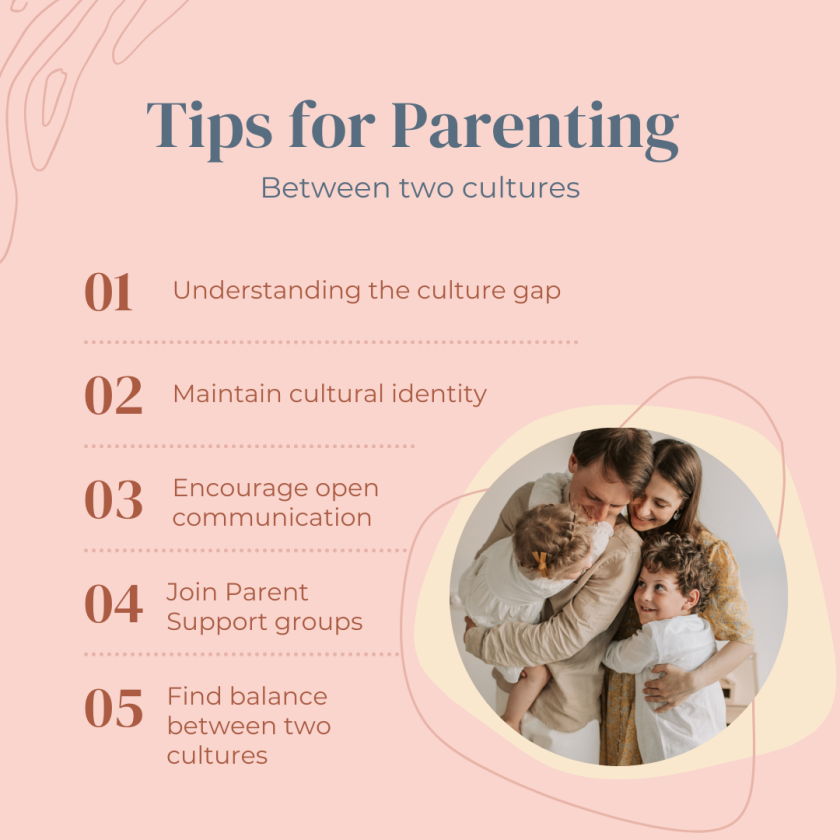
For many immigrant and refugee families, raising children in a new country can bring both opportunities and challenges. Parents often find themselves navigating between the cultural values they grew up with and the new cultural environment their children experience every day. Parenting between two cultures requires balance, understanding, and open communication within the family.
Understanding the Cultural Gap
Children who grow up in a new country often adapt more quickly to the language, customs, and social norms of their new environment. They may learn the language faster through school and form friendships with peers from different backgrounds. Meanwhile, parents may still be adjusting to unfamiliar systems, expectations, and cultural practices.
This difference in adaptation can sometimes create a cultural gap between parents and children. Children may begin to adopt new cultural values that differ from their family traditions, which can lead to misunderstandings or conflict. Recognizing that this experience is common among immigrant families can help reduce stress and encourage more open dialogue.
Maintaining Cultural Identity
One of the most meaningful ways families can stay connected is by preserving cultural traditions, languages, and values. Celebrating cultural holidays, cooking traditional foods, and sharing stories from one’s home country can help children understand their heritage and develop a strong sense of identity.
Maintaining cultural identity does not mean rejecting the new culture. Instead, it allows families to honor their roots while also embracing new experiences and opportunities.
Encouraging Open Communication
Open communication is essential when parenting across cultures. Children may face pressures at school or in social settings that parents did not experience growing up. Creating a safe space where children feel comfortable sharing their thoughts and challenges helps build trust within the family.
Parents can encourage conversations about identity, belonging, and cultural differences. Listening without judgment allows children to feel supported while navigating the complexities of living between cultures.
Supporting Children’s Emotional Well-Being
Adjusting to a new country can bring emotional challenges for both parents and children. Children may experience feelings of isolation , discrimination, or confusion about their identity. Parents may also feel stress related to work, language barriers, or adapting to new systems.
Supporting emotional well-being can include encouraging children to talk about their experiences, connecting with community organizations, and building relationships with families who share similar cultural backgrounds. When families feel supported by their community, it becomes easier to navigate these transitions.
Finding Balance Between Cultures
Parenting between two cultures often involves finding balance rather than choosing one culture over another. Families can create their own unique blend of traditions, values, and practices that reflect both their cultural heritage and their current environment.
By embracing this balance, children can learn to appreciate the strengths of both cultures. This experience can help them develop resilience, empathy, and a broader understanding of the world.
Conclusion
Parenting between two cultures is a journey that many immigrant and refugee families experience. While it can present challenges, it also offers opportunities for growth, connection, and cultural richness. By maintaining cultural traditions, encouraging open communication, and supporting emotional well-being, families can help children build strong identities and thrive in both cultures.
Resources :